
Missing a single dose of medication can lead to serious health setbacks for older adults, but the right reminder system ensures pills are taken correctly, on time, every time. Whether your loved one manages multiple prescriptions or simply needs a gentle nudge twice a day, medication reminder services range from simple smartphone apps and automated pill dispensers to professional monitoring programs that alert family members when doses are missed.
Forgetting medications is one of the most common challenges seniors face at home. One daughter recently shared how her mother’s blood pressure spiked dangerously after skipping just …
 Uncategorized
How to Set Up Medication Reminder Services for Your Loved One: A Complete Guide for 2026
 Uncategorized
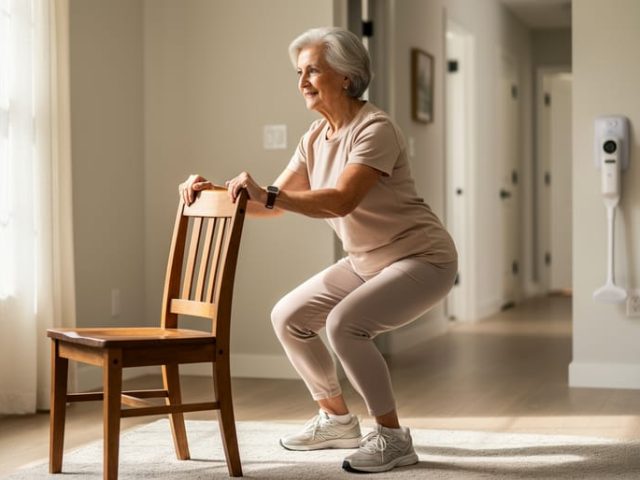
How to Choose Safe and Effective Physical Activities for the Elderly
Keeping your aging parent or loved one active doesn’t require expensive gym memberships or complex routines. Safe, consistent physical activity tailored to a senior’s abilities can maintain strength, balance, and independence well into their 80s and 90s. The key lies in choosing low-impact exercises that address common aging challenges like muscle loss and fall risk while respecting individual limitations.
For adult children and caregivers, watching a parent slow down can feel inevitable, but gradual physical decline often reflects inactivity rather than aging alone. Research shows that seniors who engage in regular, …
 Uncategorized
When Words Start to Fade: Finding the Right Support for Alzheimer’s
Support for Alzheimer’s means giving both your loved one and yourself access to professional care, community resources, emotional guidance, and practical tools that preserve dignity while easing the daily challenges of memory loss. The right support isn’t a sign of failure. It’s a proactive step that protects your parent’s quality of life and your own wellbeing, offering trained expertise where good intentions alone can’t meet the disease’s complex demands.
If you’re reading this, you’ve likely noticed the signs: missed appointments, repeated questions, or the quiet erosion of skills …