
Keeping your aging parent or loved one active doesn’t require expensive gym memberships or complex routines. Safe, consistent physical activity tailored to a senior’s abilities can maintain strength, balance, and independence well into their 80s and 90s. The key lies in choosing low-impact exercises that address common aging challenges like muscle loss and fall risk while respecting individual limitations.
For adult children and caregivers, watching a parent slow down can feel inevitable, but gradual physical decline often reflects inactivity rather than aging alone. Research shows that seniors who engage in regular, moderate exercise maintain mobility longer and require fewer interventions for daily tasks. Yet many families hesitate to encourage activity, worried about falls or overexertion.
The truth is, the right exercises done safely pose far less risk than sedentary living. Simple movements like chair-supported squats, gentle walking routines, and seated stretching can rebuild lost strength without strain. These activities don’t demand athletic ability or prior fitness experience. They meet seniors where they are.
This guide walks you through choosing appropriate exercises, gathering necessary support tools, ensuring safety at every step, and recognizing when an activity level is working. You’ll find specific movements broken down into manageable steps, answers to common safety concerns, and a real example of how one family helped their mother regain confidence after a health setback. Whether your loved one is highly mobile or managing chronic conditions, you can adapt these principles to support their continued independence.
Understanding Physical Activity Needs for Older Adults
As we get older, our bodies don’t respond to physical activity the same way they did at 30 or 40. Muscle mass naturally declines after age 50, bone density decreases, and joints become less flexible. Balance systems weaken, and recovery from exertion takes longer. These changes aren’t failures, they’re normal parts of aging, but they mean that what constitutes effective exercise shifts considerably.
For seniors, the goal isn’t preparing for a marathon or building muscle bulk. It’s about maintaining the physical capabilities that support independence: getting out of a chair without assistance, walking to the mailbox safely, reaching items on a shelf, recovering balance when you stumble. This is fitness maintenance, not fitness building, and it requires a fundamentally different approach than intensive exercise programs designed for younger adults.
Realistic goals depend heavily on where someone starts. A senior who walks daily and gardens may focus on preserving current abilities and improving balance. Someone recovering from illness or managing chronic conditions might aim simply to move more than last month, even if that means standing exercises by a chair three times weekly. Another who’s been sedentary for years needs goals centered on gradual reintroduction to movement without triggering pain or discouragement.
The common thread across all fitness levels is sustainability. An activity routine that causes exhaustion, pain, or anxiety won’t last. The right program feels manageable, fits into daily life, and leaves seniors feeling capable rather than depleted. It respects current limitations while gently encouraging progress, and it recognizes that maintaining function is a significant achievement worth celebrating.
Understanding these realities helps families and seniors approach physical activity with appropriate expectations, making the practical steps ahead far more effective.
What You’ll Need to Get Started

Getting started with a physical activity routine requires very little investment. You don’t need a gym membership or expensive equipment to help a senior stay active safely. The essentials focus on comfort, safety, and accessibility rather than elaborate gear.
For clothing and footwear, prioritize comfort and support. Seniors should wear breathable, loose-fitting clothes that allow free movement without restriction. Supportive athletic shoes with non-slip soles are the single most important purchase, as they provide stability and reduce fall risk during walking or standing exercises. Avoid slippers or worn-out shoes with smooth bottoms.
Basic Equipment Checklist:
- Sturdy chair with armrests for seated exercises and balance support
- Comfortable, non-slip footwear with good arch support
- Breathable, flexible clothing appropriate for the season
- Water bottle for hydration during and after activity
- Optional: Light resistance bands for gentle strength work
- Optional: Small hand weights (1-3 pounds) if approved by a doctor
- Optional: Fitness tracker or simple timer to monitor duration
Beyond physical items, consider the space where activities will happen. A clear area with good lighting and minimal trip hazards works well, whether indoors or outside. Seniors should have enough room to extend their arms fully and take several steps in any direction. Remove loose rugs, electrical cords, and clutter from the exercise space.
Helpful resources include having emergency contacts readily available and, if possible, caregiver support during initial sessions. A simple fitness tracker can help monitor progress, but a kitchen timer works just as well for tracking session length. The key is creating a safe, comfortable environment where the senior feels confident moving without elaborate preparations or costs.
Important Safety Considerations Before You Begin

Before starting any new physical activity program, seniors must address critical safety considerations that protect their health and reduce risk of injury. Even gentle, low-impact activities can pose dangers if underlying conditions or environmental factors are overlooked.
The first and most important step is obtaining medical clearance from a healthcare provider. Seniors with heart disease, diabetes, osteoporosis, arthritis, recent surgery, or balance disorders should discuss specific activity types and intensity levels with their doctor. A physician can identify contraindications based on individual health status and recommend modifications or safer alternatives. Never assume that an activity is automatically safe simply because it’s labeled for seniors.
Certain conditions require special caution or complete avoidance of specific movements. Seniors with severe osteoporosis should avoid high-impact activities and forward-bending exercises that increase fracture risk. Those with uncontrolled high blood pressure or heart conditions must limit intensity and duration. If joint pain, recent falls, or dizziness have occurred, a medical evaluation should happen before beginning any new routine.
Fall prevention is paramount. Clear the exercise area of rugs, clutter, cords, and slippery surfaces. Ensure adequate lighting, especially for early morning or evening activity. Seniors with balance concerns should exercise near a sturdy chair or wall for support and never attempt new movements while alone. Proper footwear with non-slip soles and good ankle support reduces fall risk significantly.
Hydration is often underestimated in older adults, who may have diminished thirst signals. Drink water before, during, and after activity, even if not feeling thirsty. Avoid exercising in extreme heat or humidity, which increases dehydration and overheating risk.
Involving caregivers or family members adds an essential safety layer. A companion can monitor for warning signs, provide physical support if needed, and respond quickly in emergencies. They can also help seniors recognize when to rest, when to push gently forward, and when fatigue or discomfort signals the need to stop. This partnership creates accountability while respecting the senior’s autonomy and desire to stay active.
Step-by-Step: Building Your Senior Activity Routine
Step 1: Assess Current Fitness and Set Realistic Goals
Before choosing activities, spend time honestly observing what the senior can do comfortably right now. Watch how they move around the house: Can they stand from a chair without using their arms? Do they steady themselves on furniture when walking? How long can they stand before needing to sit?
Schedule a conversation with their doctor or physical therapist to discuss any limitations from arthritis, heart conditions, or balance issues. Bring a list of activities you’re considering so the provider can flag concerns.
Then sit down with the senior, not just caregivers, and ask what they want to achieve. Maybe it’s walking to the mailbox independently, playing with grandchildren on the floor, or gardening again. Write down one to three specific goals together. “Get stronger” is too vague; “stand up from my chair without help within six weeks” gives you something measurable.
This collaborative approach respects their autonomy while incorporating caregiver guidance where needed. Keep goals modest at first. You can always build from there once you see what works.
Step 2: Choose Appropriate Activities
Select activities that match your senior’s current abilities while offering room for gradual progress. The key is finding options they genuinely enjoy, because sustained participation matters more than intensity.
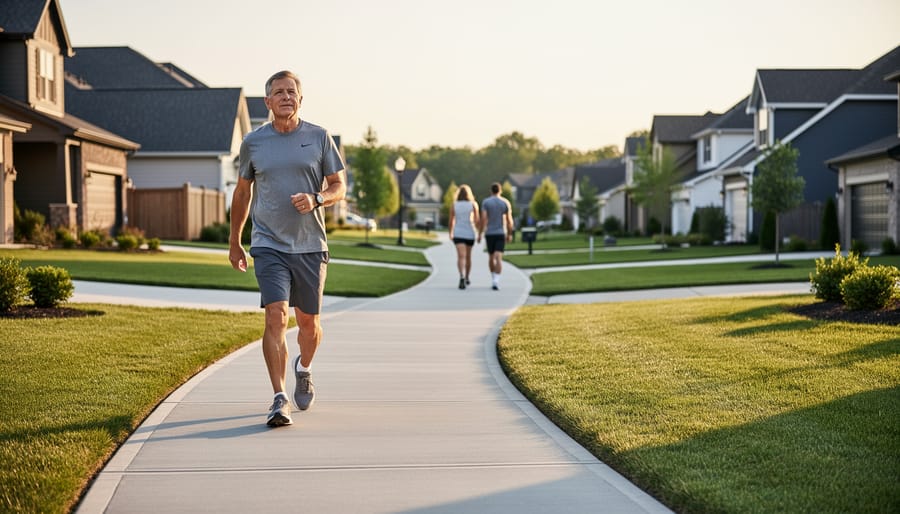
Walking remains one of the most accessible choices. It requires no special equipment, adapts easily to different fitness levels, and can happen indoors at a mall or outdoors in a park. Seniors with good balance might walk independently; those less steady can use a walker or walk with a companion for safety.
Water aerobics provides excellent resistance without stressing joints. The buoyancy supports body weight, making movement easier for those with arthritis or limited mobility. Many community centers offer senior-specific classes with warm water pools.
Chair exercises work well for individuals with significant mobility limitations. These seated routines build strength and flexibility while eliminating fall risk. Options range from simple arm raises to resistance band work.
Tai chi and gentle yoga improve balance, flexibility, and body awareness through slow, controlled movements. Both practices reduce fall risk and can be modified for seated participants.
Daily stretching maintains range of motion and prevents stiffness. Even five minutes morning and evening makes a noticeable difference in comfort during everyday activities.
Involve your senior in the selection process. Their preferences, past activities they enjoyed, and willingness to try something new should guide your choices. Starting with one or two activities prevents overwhelm and builds confidence before expanding the routine.
Step 3: Start Slowly with Warm-Up and Cool-Down
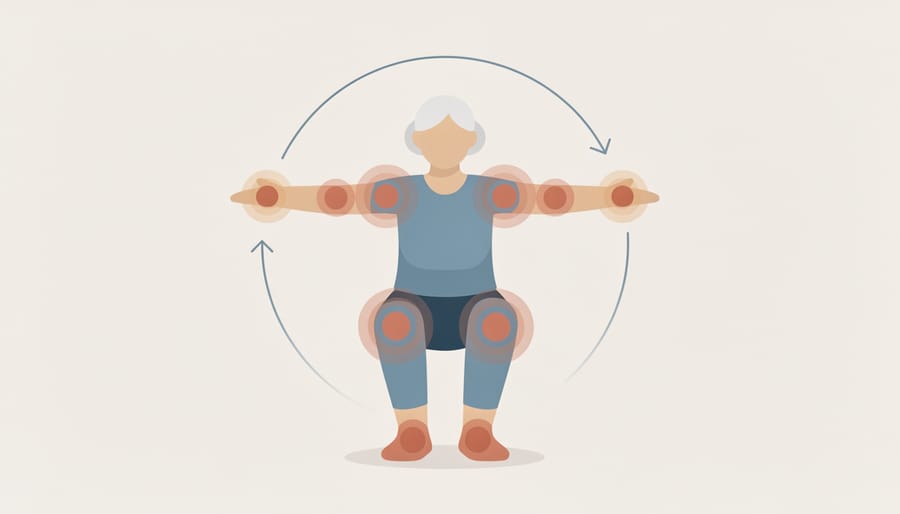
Every activity session should follow a three-part structure to protect joints, muscles, and cardiovascular health. Begin with gentle movements that gradually increase heart rate and loosen stiff muscles, warm-ups last 5-10 minutes and might include slow marching in place, arm circles, ankle rotations, or easy walking. These preparatory movements reduce injury risk and make the main activity more comfortable.
During the main activity, maintain a conversational pace. Your loved one should be able to speak in full sentences without gasping for breath. If they’re too winded to talk, slow down immediately. Chair exercises, walking, or water aerobics should feel challenging but never painful or exhausting. For seniors with cognitive changes requiring Alzheimer’s support familiar warm-up routines create reassuring structure.
Finish each session with 5-10 minutes of gentle stretching while muscles are warm. Hold each stretch for 15-30 seconds without bouncing, neck rolls, shoulder stretches, seated hamstring stretches, and calf stretches all promote flexibility and prevent next-day soreness. Cool-down breathing exercises also help heart rate return to baseline safely.
Step 4: Establish a Consistent Schedule
Consistency matters more than intensity. Aim for a realistic weekly plan that fits naturally into daily life rather than an ambitious schedule that quickly becomes overwhelming. Most seniors benefit from activity three to five days per week, with sessions lasting 20 to 30 minutes initially, enough to build strength and habit without exhaustion. Choose times when energy levels are highest, often mid-morning after breakfast or early afternoon, avoiding early mornings when joints may be stiff or late evenings when fatigue sets in.
Build the routine around existing daily patterns. Pair a short walk with the morning coffee ritual, or schedule chair exercises before lunch. Rest days are essential, allowing muscles to recover and preventing burnout. Alternate activity days with gentler movement like stretching or balance practice to maintain momentum without overexertion.
Family members can support adherence by marking activity times on a shared calendar, offering to join sessions, and celebrating small wins like completing a week consistently. Gentle reminders work better than pressure. If a session is missed, simply resume the next day rather than compensating with extra activity. Following established weekly activity schedule guidance provides a helpful framework, but the best plan is one your loved one will actually maintain long-term.
Step 5: Monitor Progress and Adjust as Needed
Keeping a simple activity log helps you see what’s working. Note the date, activity type, duration, and how your loved one felt afterward. Over two to four weeks, patterns emerge: maybe walking sessions feel easier, balance improves during chair rises, or mood lifts on active days. These small wins matter.
Watch for functional improvements in daily life. Can they now carry groceries with less fatigue? Stand from a chair without assistance? Walk to the mailbox independently? These real-world changes confirm the routine is effective.
If an activity causes persistent discomfort, adjust immediately. Shorten sessions, reduce intensity, or try a different exercise. Conversely, if movements become too easy, gradually increase duration by five minutes or add light resistance.
Schedule monthly check-ins with healthcare providers or physical therapists to review progress objectively. They can spot improvements you might miss and recommend modifications based on changing health needs.
Involve your loved one in these assessments. Ask what feels good, what hurts, and what they enjoy. Their feedback guides sustainable adjustments that honor their preferences while maintaining safety and effectiveness.
Step 6: Incorporate Social and Enjoyable Elements
Physical activity becomes far more sustainable when it’s enjoyable and social. Encourage seniors to join group exercise classes designed for older adults, many community centers, senior centers, and fitness studios offer chair yoga, water aerobics, or gentle movement classes where participants share similar fitness levels and build friendships. Walking with a neighbor, family member, or caregiver transforms routine exercise into meaningful connection time.
If your loved one struggles with motivation or safety concerns, OCSCO’s companionship services can provide consistent support. Our caregivers accompany seniors on daily walks, attend classes together, and create personalized activity schedules that align with individual interests and abilities. This partnership reduces isolation, increases accountability, and makes physical activity something to look forward to rather than a solitary task. When movement happens alongside conversation and laughter, seniors are more likely to stick with their routines long-term.
How to Know Your Routine Is Working
You’ll know your senior’s physical activity routine is delivering real benefits when you observe changes in both physical and emotional well-being. While progress may be gradual, these signs confirm that the effort is worthwhile and the routine is safe and effective.
Watch for these measurable and observable improvements:
- Better balance when walking, standing from a chair, or reaching for objects
- Fewer stumbles, trips, or falls compared to before starting the routine
- Increased ability to complete daily tasks independently, such as dressing, bathing, or light housework
- Improved mood, less anxiety, and greater social engagement
- Better sleep quality and more consistent energy throughout the day
- Reduced joint stiffness and greater ease of movement in the morning
- More confidence when navigating stairs, curbs, or uneven surfaces
Research confirms that regular exercise lowers fall risk among older adults, making functional improvements a clear indicator of success. If your loved one is now able to garden, walk to the mailbox, or play with grandchildren without hesitation, celebrate these wins. They represent meaningful gains in independence and quality of life.
For seniors receiving memory care or other support services, improved participation in daily routines often signals that physical activity is enhancing overall well-being. Once you’ve established a sustainable routine and see consistent progress, consider maintaining the current level or gradually exploring new activities that challenge different muscle groups or add variety. The goal is lifelong movement, not perfection.
Common Questions About Senior Physical Activity
How often should seniors exercise each week?
Most older adults benefit from at least 150 minutes of moderate activity spread throughout the week, which could be 30 minutes on five days or even shorter 10-minute sessions if that feels more manageable. The key is consistency rather than intensity, regular gentle movement beats occasional strenuous effort.
What should I do if my parent loses motivation to stay active?
Try shifting to activities they genuinely enjoy rather than what seems most “fitness-oriented”, dancing to old music, gardening, or walking to visit a friend can be just as beneficial as formal exercise. Companionship makes a huge difference; inviting a neighbor, family member, or professional caregiver to join transforms a chore into a social event.
Can seniors exercise during illness or after surgery?
Always consult their healthcare provider first, but gentle movement is often encouraged even during recovery, perhaps chair exercises or short walks indoors instead of the usual routine. The goal shifts from fitness maintenance to preventing deconditioning, and activities should be scaled back significantly until clearance is given to resume normal levels.
How do I balance my parent’s independence with keeping them safe during physical activity?
Start by involving them in every decision about what activities to try and when, which respects their autonomy while you quietly arrange safe routines like cleared walking paths, proper footwear, and a phone nearby. Encourage independence within a supportive framework, they choose the activity, you ensure the environment minimizes fall risks and someone checks in regularly.
These questions reflect what families ask most when they’re trying to support a senior’s active lifestyle without taking over completely. Many caregivers worry they need specialized training or expensive equipment, but the truth is simpler: showing up consistently, making activities enjoyable, and knowing when to step back matter more than perfect technique. If you’re unsure whether your loved one needs professional guidance, for instance, if they have multiple chronic conditions, significant balance issues, or you’re noticing rapid decline, a physical therapist or geriatric exercise specialist can design a personalized plan and teach you both the safest approaches. That investment often pays off in confidence and prevents setbacks that come from well-meaning but poorly adapted exercises.
Real Stories: How Activity Transformed Daily Life
When Margaret turned 78, she rarely left her apartment. Two minor falls had shaken her confidence, and her daughter Linda watched helplessly as her once-vibrant mother stopped taking her daily walks around the neighborhood.
“I was terrified she’d fall again,” Linda recalls. “But I also saw her losing strength and becoming more withdrawn every week.”
After connecting with OCSCO, Linda and Margaret met with a care coordinator who took time to understand Margaret’s fears and what she missed most about being active. Together, they created a gentle plan that started with chair exercises twice weekly while a caregiver was present.
“Having someone there made all the difference,” Margaret says. “I didn’t feel like I was doing this alone, and if I wobbled, someone was right there. That security helped me try again.”
Within three weeks, Margaret felt steadier on her feet. Her caregiver suggested adding short walks inside the apartment, then eventually walks to the lobby. Six months later, Margaret was walking to the corner store with her caregiver companion, something she hadn’t done in over a year.
The physical improvements were significant. Margaret’s balance improved noticeably, and she no longer needed to hold furniture while moving around her home. But the emotional transformation was just as profound.
“I got my mom back,” Linda says. “She’s confident again, she’s smiling more, and she’s talking about visiting her grandchildren instead of worrying they’ll see her as frail.”
Today, Margaret maintains her routine with caregivers who’ve become trusted friends, proving that the right support can turn fear into freedom.
Starting a safe, effective physical activity routine for your senior loved one is within reach. You don’t need expensive equipment, complicated programs, or drastic lifestyle changes. What you need is a thoughtful plan, attention to safety, and the willingness to start small and build gradually.
The steps we’ve outlined here provide a clear path forward. Assess where your loved one is today, choose activities they enjoy, build consistency through routine, and celebrate each milestone along the way. Remember that progress looks different for everyone. For one senior, success might mean walking to the mailbox independently. For another, it could be attending a weekly tai chi class or simply moving with less pain.
You don’t have to navigate this journey alone. OCSCO’s support services are designed to help seniors maintain active, independent lives through compassionate caregiving and companionship that encourages movement and engagement.
Every step your loved one takes toward staying active is a step toward preserving their independence, dignity, and quality of life. Start today, stay patient, and trust that meaningful change happens one small victory at a time.